From the Rector
Week of 2026-09-25
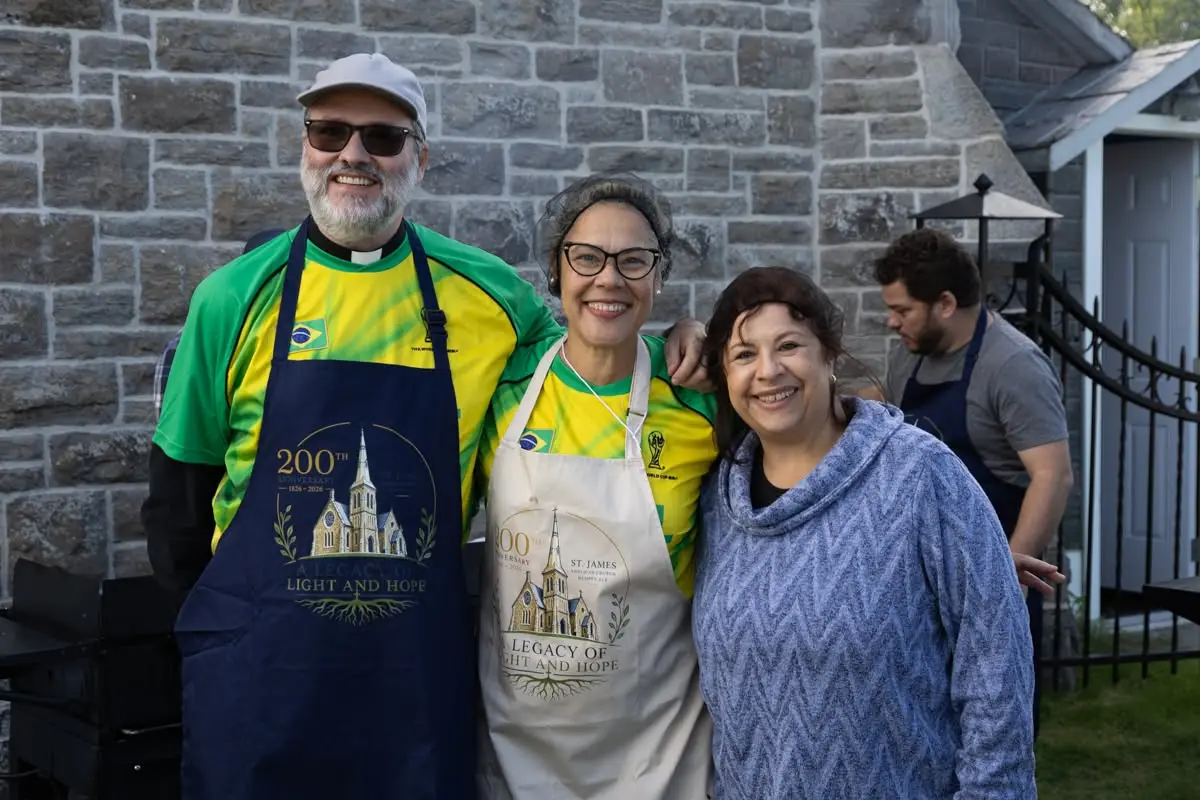
This week I want to give thanks for everyone who was in any way involved in our Brazilian BBQ. So many volunteers sold tickets, did advertising, set up the location, and served the meats, rice, salads, and dessert. The food was delicious, and the atmosphere was joyful.
“Thank you” hardly seems enough for all of the people from our church and from the Brazilian community who planned and operated this fundraiser for our parish. After expenses were paid, the proceeds of the BBQ came to $4,500!
Our friend, Mark Hauser, Communications Officer for the diocese, attended the BBQ and took photos. You will find his article in the diocesan eNews Weekl
Week of 2026-09-11
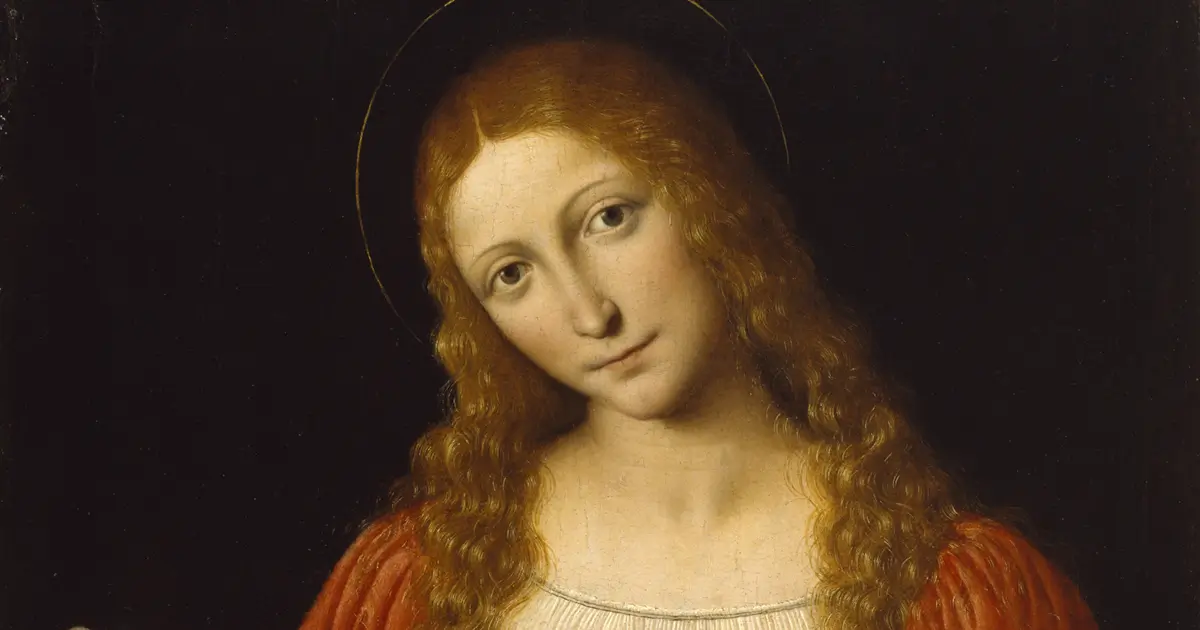
The Nativity of the Blessed Virgin Mary
A legend dating from the second century tells this story about the birth of the Blessed Virgin Mary:1
Once upon a time there was a Jewish couple named Jo’-a-chim and Anne. They were elderly, and their neighbours reproached them for not having any children. But God heard Anne’s laments and sent an angel to tell her: “You shall conceive and bear, and your offspring shall be spoken of in all the world.”
Anne responded: “As the Lord my God lives, if I bear a child, whether male or female, I will bring it as a gift to the Lord my God, and it shall serve him all the days of its life.”
And so it came to pass that Anne conceived; and when the time was fulfilled, she gave birth to a daughter and named her Mary. Both parents vowed to dedicate their child to the service of God, and when she was three years old they presented her in the temple at Jerusalem. “And the high priest placed Mary on the third step of the altar, and the Lord God put grace upon the child, and she danced for joy with her feet, and the whole house of Israel loved her.” Such is the legend of the nativity of the Blessed Virgin Mary, and we continue to tell the story because it bears witness to a deeper truth of faith — that Mary herself was the daughter of Israel’s hope and the child whose own offspring would fulfill the longing of the whole family of creation.
(For All the Saints. Prayers and Readings for Saints' Days. Anglican Church of Canada).

Week of 2026-09-04
What Does It Mean to Be a Good Christian?
We live in a time when we often confuse being a Christian with belonging to a church, knowing the Bible, defending a particular doctrine, or correctly following certain religious practices. All of these things may have value. But is that really what defines a good Christian?
The theologian Leonardo Boff, in his book Christianity at Its Minimum, invites us to return to the essentials of faith. When we set aside what has been added throughout history— structures, traditions, disputes, customs, and differences between groups—we can ask: what remains absolutely essential to Christianity?
The answer leads us back to Jesus.
Being a Christian means, above all, learning to live as Jesus lived: with compassion, mercy, justice, simplicity, and love. It means looking at others not as people who need to be judged, but as people who need to be welcomed. It means recognizing the pain around us and refusing to remain indifferent to it.
Jesus summarized the entire Law in two commandments: love God and love your neighbor. Perhaps this is the true “minimum of the minimum” of our faith. Not a minimum in the sense of a poor or superficial faith, but the essential foundation that gives meaning to everything else.
We may know many things about the Bible and still not know how to love. We may attend church every Sunday and remain indifferent to the suffering of those around us. We may defend our religious convictions with great enthusiasm while forgetting kindness, forgiveness, and compassion.
Therefore, perhaps the most important question is not, “Am I a good religious person?” but: “Does the way I live reveal something of Jesus?” A good Christian is not a perfect person.
A good Christian is someone willing to continually learn the way of love. It is someone who acknowledges their mistakes, asks for forgiveness, forgives others, begins again, and seeks to turn faith into concrete actions.
Being a Christian also means caring for life: caring for people, the most vulnerable, the community, and creation itself. Faith cannot remain confined within the walls of a church. It must leave through the door with us and appear in the way we treat our families, neighbors, coworkers, strangers, and even those who think differently from us.
Perhaps this is the great challenge for us today: to return to the essentials without losing depth.
We need less judgment and more mercy. Less religious competition and more service. Less concern with proving that we are right and more willingness to love. Fewer words about God and more actions that make God’s love visible in the world.
In the end, perhaps being a good Christian is something very simple and, at the same time, very difficult: to love as Jesus taught us to love.
And perhaps that is precisely where true Christianity begins.
Week of 2026-08-28
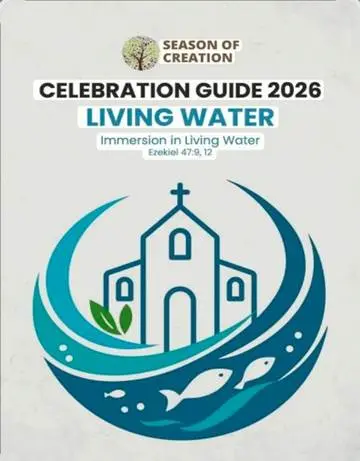
Season of Creation 2026 — Living Water
A Season of Creation 2026 is a special time for Christians around the world to come together in prayer, reflection, and action for the care of God’s creation. This year’s theme, “Living Water,” invites us to reflect on water as a precious gift from God, essential to all life and a powerful symbol of renewal, hope, and spiritual transformation.
Water connects us all. It crosses borders, sustains communities, nourishes the earth, and reminds us that creation is a shared gift and a shared responsibility. At the same time, many communities around the world face drought, floods, pollution, and unequal access to clean water.
The Season of Creation is an ecumenical celebration, bringing together Christians from different traditions and denominations. It is an opportunity to set aside our differences and unite around a common call: to give thanks for creation, to listen to the cry of the earth and of those who suffer, and to become faithful stewards of the gift entrusted to us.
As we reflect on “Living Water,” may we discover anew that caring for creation is an expression of our faith, our love for our neighbour, and our commitment to the flourishing of all life.
Week of 2026-08-21
Cultivating Spirituality Amid Our Many Commitments
We are living through a time filled with commitments, projects, and responsibilities in our church. We have much ahead of us, and each of these initiatives is an opportunity to serve God and our community. However, in the midst of so many tasks, we need to be careful that doing does not replace being.
The life of the Church cannot be sustained by meetings, events, campaigns, or activities alone. Above all, we are a community of faith, called to remain in Christ. Therefore, cultivating both personal and communal spirituality must remain at the heart of everything we do.
Personal spirituality invites us to make time for prayer, Scripture, silence, and reflection. It is in this space of intimacy with God that we renew our strength, discern our path, and find the peace we need to serve.
At the same time, we need to nurture our spirituality as a community. When we pray together, listen to one another, study Scripture, celebrate the Eucharist, and share our experiences of faith, we strengthen the bonds that truly make us the Church.
We have many important projects ahead of us, but none is more important than our journey with God and with one another. We do not want simply to do things for the Church; we want to be a living, spiritual, and welcoming Church.
May every commitment we make be accompanied by prayer, every project be rooted in discernment, and every activity be an expression of our faith. In this way, we can move forward together—not simply busy, but spiritually strengthened, united, and open to the work of the Holy Spirit.
Let's continue the good work for God through our church, moving forward in a positive direction, and more and more people will be reached for Him, the way, the truth, and the life.
Week of 2026-08-14
Moving Forward Together
Jesus taught us that ministry is not meant to be lived alone. He sent his disciples two by two, to proclaim, to serve, and to bring God’s presence to others (Mark 6:7).
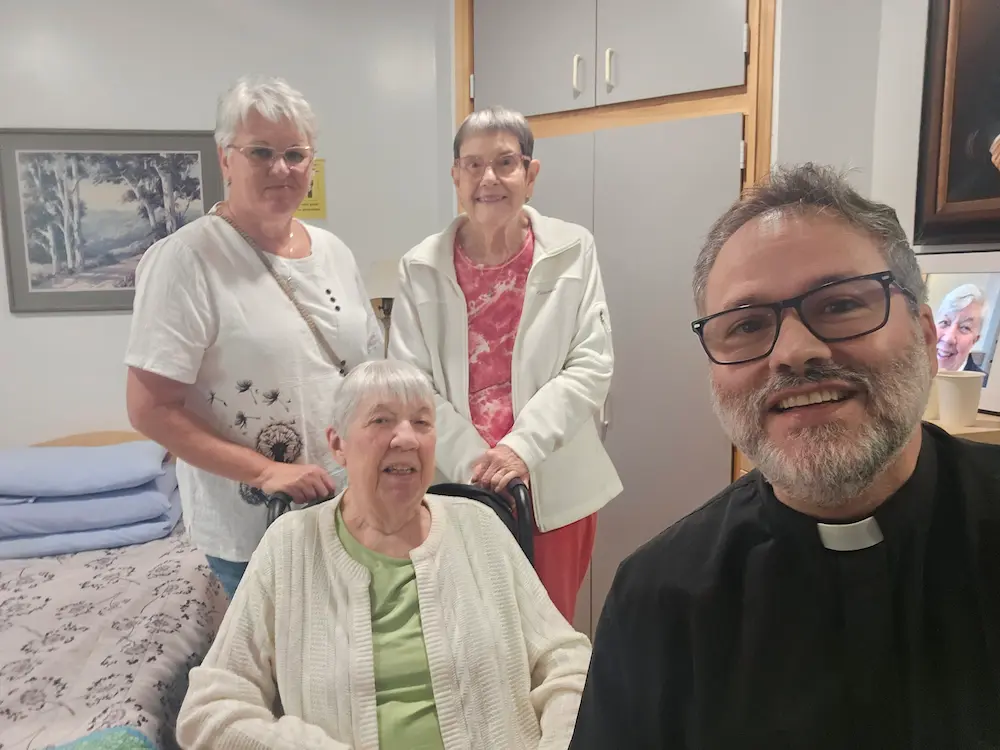
Visiting the sick is one of the most beautiful expressions of this ministry. When we visit someone who is ill, elderly, or unable to join us in church, we bring not only words of comfort, but the presence of a community that cares, prays, and walks alongside them.
This same spirit should guide us as we continue moving forward with the mission of St James Anglican Church. We are living through a historic moment as we celebrate our Bicentennial, with many events and opportunities for fellowship throughout this special year.
Every worship service, celebration, event, and pastoral visit is an opportunity to strengthen our bonds, welcome new people, and proclaim that the Church continues to be alive and active.
Let us move forward together. Just as Jesus sent his disciples two by two, may we walk together as one community—serving, celebrating, and sharing the light and hope of Christ with everyone.
May the events of our Bicentennial be more than a celebration of 200 years of history. May they mark the beginning of a new chapter for St James—a chapter that we will write together, with faith, joy, service, and hope.
Week of 2026-06-19
On Our Liturgy and the Good Order of the Church
Dear Parishioners,
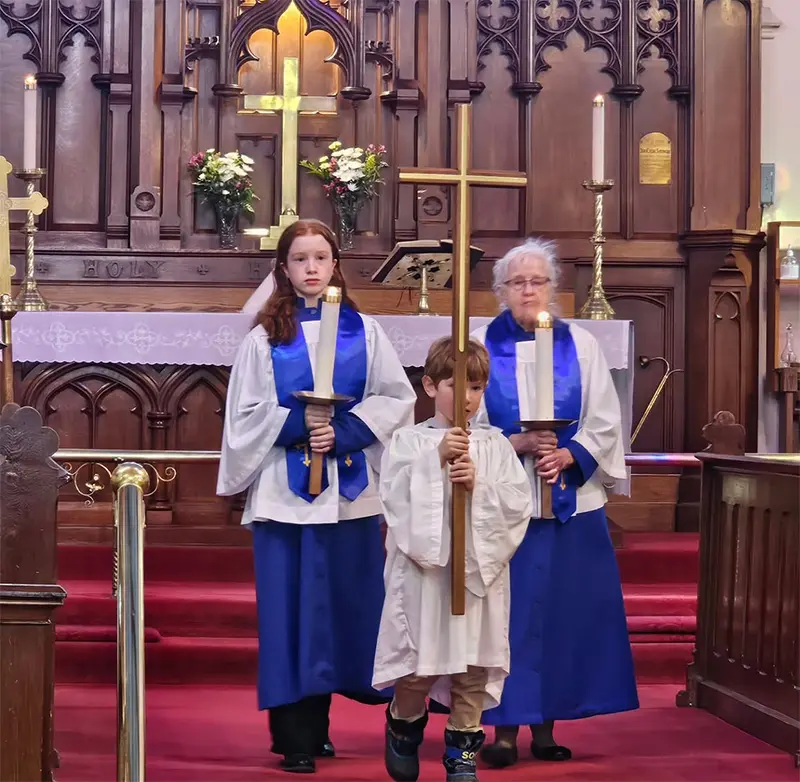
During last Sunday's celebration, something occurred that caught my attention from a liturgical perspective. As our crucifer proceeded to the back of the church in preparation for the entrance procession, the entire congregation stood while he walked to his position. While this was undoubtedly well-intentioned, it does not correspond to the liturgical practice of the Anglican tradition and is not part of the guidelines followed by our parish.
As Rector of the Parish, I feel a responsibility to clarify that this action was not planned by me, was not discussed with me, and does not have my support. I make this clarification because several people have approached me in recent days expressing questions and concerns regarding certain practices and initiatives that have arisen without proper discernment and pastoral guidance.
I wish to reaffirm, with humility and respect, what was already shared at our Parish Advisory Council (PAC) meeting: any change or innovation related to the liturgical space and the public worship of the Church must be undertaken only with the guidance and approval of the Rector of the Parish. This is not a matter of personal preference, but of the responsibility entrusted to me by the Church to safeguard good order, discipline, and faithfulness to our Anglican tradition.
I must admit that situations such as this have been a source of concern and weariness. Therefore, I ask everyone, with affection and sincerity, to work together in a spirit of unity, mutual respect, and obedience to the liturgical norms we have received from our Diocese. My commitment remains the same as the one I publicly made in my vows of ordination and institution: to remain faithful to the doctrine, worship, and discipline of the Anglican Church of Canada, following the guidance of our Bishop William—neither more nor less than what the Church asks of us.
To those who have shown encouragement and support, I offer my heartfelt thanks. I also ask you to remain calm. Everything will be well. By God's grace, we will continue to walk together, serving Christ and strengthening the fellowship of our faith community.
Finally, I would like to share the following article explaining the meaning and appropriate times for sitting, standing, and kneeling during the Holy Eucharist in the Anglican tradition. These guidelines reflect the liturgical practice followed in our parish. If there are any questions regarding any aspect of our liturgy, or if anyone has ideas for new practices or innovations, I kindly ask that you speak with me before any such initiative is implemented.
Gestures in Anglican Worship: Sitting, Standing, and Kneeling
In the Anglican tradition, bodily gestures during worship are not merely external actions but visible expressions of our faith and reverence before God. Sitting, standing, and kneeling help the congregation participate fully in the liturgy, engaging body, mind, and spirit in worship.
Sitting is generally a posture of listening and reflection. The congregation remains seated during readings, sermons, and other moments of instruction, demonstrating attentiveness to God's Word and a willingness to learn.
Standing is an expression of honor, joy, and respect. We typically stand for hymns, the proclamation of the Gospel, the recitation of the Creeds, and the principal prayers of the Church. By standing, we demonstrate our readiness to respond to God's call and our unity as the Body of Christ.
Kneeling is a traditional gesture of humility, penitence, and devotion. We often kneel during the Confession, the Prayers of the People, and during the celebration of Holy Communion. This posture symbolizes our dependence upon God's grace and our reverence in His presence.
Although practices may vary somewhat between parishes and dioceses, these gestures share the common purpose of enriching the worship experience. They remind us that we worship God not only with our words, but with our whole being, offering Him our hearts, minds, and bodies.
"Glorify God in your body." (1 Corinthians 6:20)
Finally, following the guidance of our Diocesan Bishop, I strongly encourage those who were unable to participate in our Book Study to read To Love and Serve. This book provides an excellent introduction to the faith, history, and practice of the Anglican tradition and helps clarify many questions that may arise. It is a valuable resource for anyone wishing to deepen their understanding of the life, worship, and mission of the Anglican Church.
May God bless each one of you and our entire parish community, so that with love, humility, and faithfulness we may continue to serve Jesus Christ, who is the Way, the Truth, and the Life.
Week of 2026-06-12
Clergy Day 2026
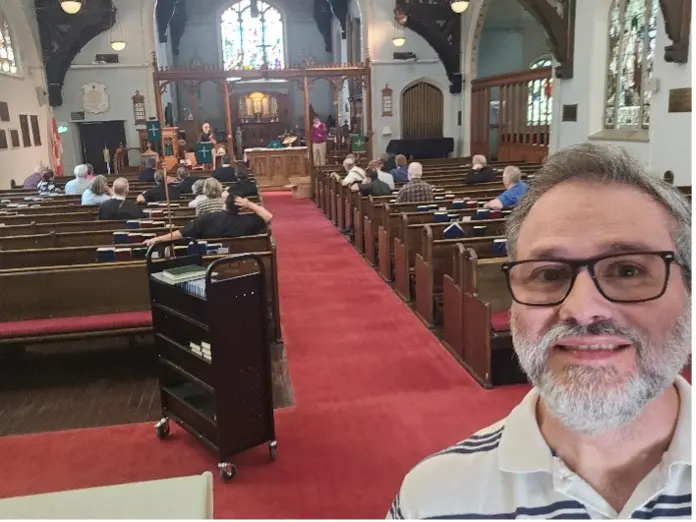
On Thursday, I had the opportunity to attend the Diocese of Ontario Clergy Day at St. Mary Magdalene Church in Picton. The gathering brought together clergy from across the diocese for a time of learning, reflection, and fellowship.
This year's seminar, “Christian Formation in a Secular Age—Reclaiming our Anglican Tradition,” was led by the Rev. Canon Dr. Mike Michieilin. The presentation encouraged us to reflect on how our Anglican heritage continues to shape faithful disciples of Jesus Christ and strengthen the Church’s mission in an increasingly secular society.
The day was a valuable opportunity for spiritual renewal, theological reflection, and connection with fellow clergy serving throughout the Diocese of Ontario. We give thanks for these opportunities to learn, grow, and support one another in ministry.
Week of 2026-06-05
Ordinary Time in the Anglican Tradition
Ordinary Time is the longest season of the Church Year in the Anglican tradition. It begins after the Season of Epiphany and resumes after the Day of Pentecost, continuing until the First Sunday of Advent. Despite its name, Ordinary Time is far from ordinary in significance. The word “ordinary” comes from the idea of counting the ordered weeks of the liturgical year.
During this season, the Church focuses on the life, teachings, ministry, and mission of Jesus Christ. Through the regular reading of Scripture and participation in worship, Christians are invited to grow in faith, deepen their discipleship, and live out the Gospel in their daily lives.
The liturgical color for Ordinary Time is green, symbolizing growth, hope, and new life. Just as plants grow steadily over time, the faithful are called to mature spiritually through prayer, worship, study of God’s Word, and service to others.
Ordinary Time reminds us that God is present not only in the great feasts and celebrations of the Church, but also in the routines of everyday life. It is a season for faithful living, encouraging us to follow Christ daily and to share his love with the world through acts of compassion, justice, and service.
"Grow in the grace and knowledge of our Lord and Saviour Jesus Christ." (2 Peter 3:18)
Week of 2026-05-29
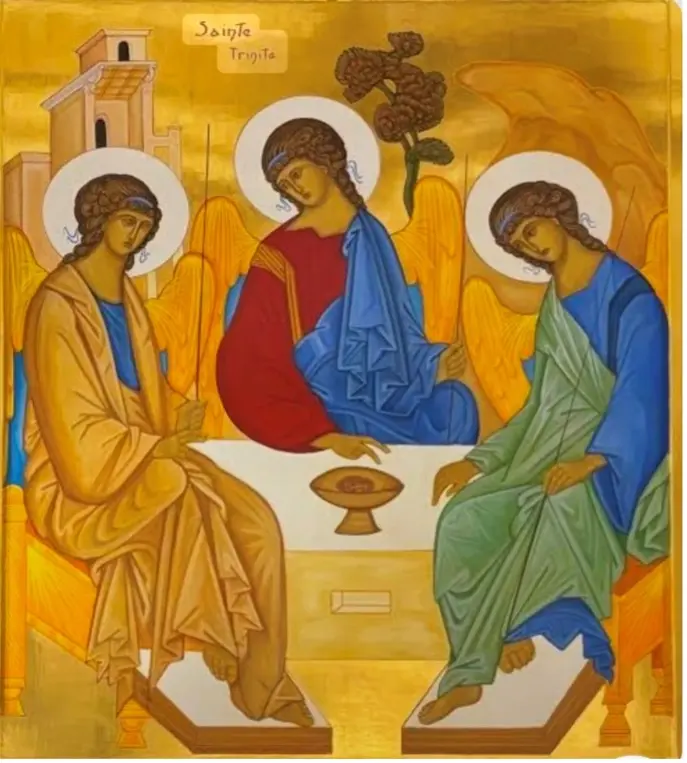
The Feast of the Holy Trinity celebrates the central mystery of the Christian faith: one God in three Persons — Father, Son, and Holy Spirit. It is not three gods, but one God revealed in perfect communion of love. The Trinity reminds us that God is relationship, unity, care, and constant presence in the life of His people.
As we contemplate the Holy Trinity, we are also invited to live in communion with one another, cultivating love, peace, forgiveness, and fraternity. The Father creates and sustains us, the Son saves us and walks beside us, and the Holy Spirit strengthens and guides us each day.
More than trying to fully understand this mystery with our minds, the Church invites us to experience it through faith and through the practice of love. Every time we make the sign of the cross, we proclaim this sacred truth: we belong to the One and Triune God, source of all grace and blessing.
May the celebration of the Holy Trinity renew in us the assurance that we are never alone, for the love of the Father, the grace of the Son, and the fellowship of the Holy Spirit remain with us today and always. Amen.